


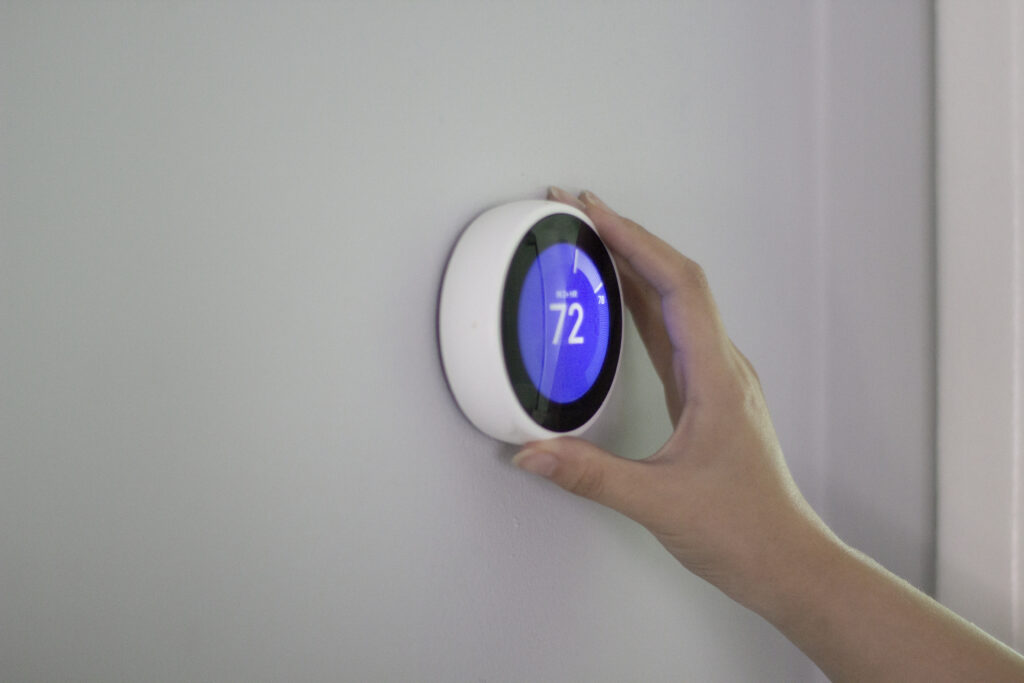
Pennsylvania weather can change quickly. You may need heat in the morning and open windows by the afternoon. Humid summers and cold winter nights can make it harder to keep your home comfortable. The best home temperature in PA depends on your home, your system, and what feels right to you. Small thermostat changes can help you stay comfortable and save energy.
Recommended Thermostat Settings By Season
Use these temperatures as starting points. Adjust them a little at a time until your home feels comfortable.
Comfortable Winter Heating Temperatures
Set your thermostat between 68 and 70 degrees Fahrenheit while you’re home and awake. You may feel comfortable at a lower setting if your home holds heat well.
If some rooms feel cold, check for blocked vents or drafts before turning up the heat. Your heating system also affects how quickly your home warms up.
Efficient Summer Cooling Temperatures
Try a setting between 75 and 78 degrees Fahrenheit when you’re home. Start at the higher end and lower it slightly if needed. This is also Trane’s suggested starting range for summer.
Greater Philadelphia summers can feel sticky. If your home stays humid even with the AC running, schedule an air conditioning inspection. Lowering the thermostat may not solve the problem.
Adjusting Temperatures For Pennsylvania Weather
Your thermostat schedule may need changes as Pennsylvania moves from one season to the next.
Managing Spring And Fall Temperature Swings
Spring and fall often bring cool nights and warm afternoons. Check your schedule as outdoor temperatures change.
Some thermostats can automatically switch between heating and cooling. Keep a gap between the heating and cooling settings so the system doesn’t switch back and forth too often. Your thermostat’s instructions can help you choose that gap. Avoid changing the setting every time the outdoor temperature rises or falls.
Lowering Energy Costs With Thermostats
Your system doesn’t always need to keep the same temperature all day. A schedule can help it follow your routine.
Using Programmable And Smart Thermostats
A programmable thermostat lets you set temperatures for mornings, evenings, and other parts of the day. A smart thermostat may let you change settings from your phone or adjust the temperature when you leave.
Choose a model that works with your equipment. Review the schedule whenever your routine changes so you aren’t heating or cooling an empty home more than needed.
Setting Temperatures While Away Or Sleeping
If you have a furnace, try lowering the heat a few degrees while you sleep or when you’re away for several hours. In summer, raise the AC setting a few degrees while you’re away.
Consider anyone staying home, including pets. Heat pumps may work better with smaller winter changes. Check your system’s instructions before setting a much lower overnight temperature.
Choosing Settings For Different Systems
Different systems need different schedules. Furnaces may warm your home quickly, while radiators and heated floors may take longer.
With some heat pumps, turning the temperature up several degrees at once can turn on electric backup heat. This uses more electricity and may reduce your savings. A steady setting or a thermostat designed for heat pumps may work better. A technician can help you choose settings for your equipment.
Troubleshooting Uneven Indoor Temperature Control
Sunlight, drafts, or nearby appliances can affect a thermostat’s reading. That can make the system run too much or shut off too soon.
If some rooms stay uncomfortable, check that furniture and curtains aren’t blocking vents. Ongoing problems may involve ducts, insulation, or the equipment itself. A technician can find the cause. If rooms also feel humid or sticky, ask about indoor air quality solutions.
Improve Comfort With Performance HVAC in Greater Philadelphia
At Performance HVAC, our licensed and certified technicians can check for temperature problems and help you choose thermostat settings. We offer upfront, honest pricing and emergency HVAC service.
Contact Performance HVAC to schedule heating and cooling services for your Greater Philadelphia home.
Frequently Asked Questions
What Is The Best Home Temperature In PA During Winter?
Try 68 to 70 degrees Fahrenheit while you’re home and awake. Adjust slightly based on comfort.
Should I Change My Thermostat Settings At Night?
A small change can save energy. If you have a heat pump, check its instructions first.
What Temperature Should I Set My AC To In Summer?
Start between 75 and 78 degrees Fahrenheit, then adjust for comfort and humidity.
Recent Posts
Recent Posts


Why Choose Performance HVAC?
Your local hVAC Experts
- Operated with a strong commitment to the community.
- Preventative maintenance programs for all HVAC systems.
- Free quotes for installations, plus free repair estimates.
- Core company values of honesty and reliability.
- Financing options available for a variety of budgets.